3 hr
Hiroshima Peace Cycling Tour with Local Guide
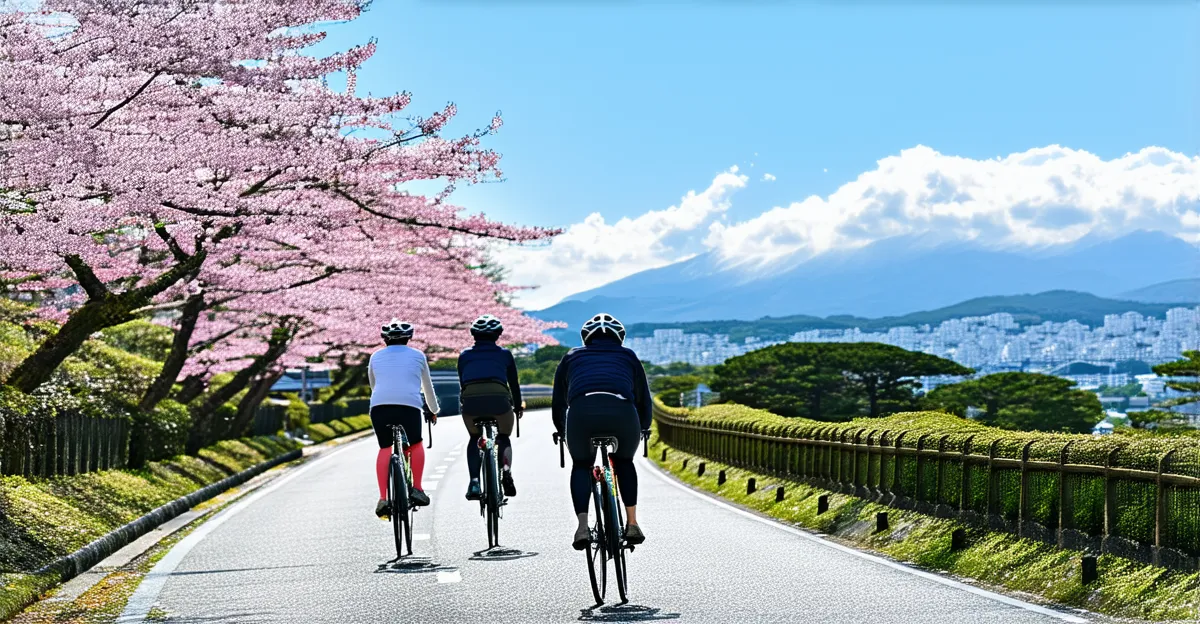
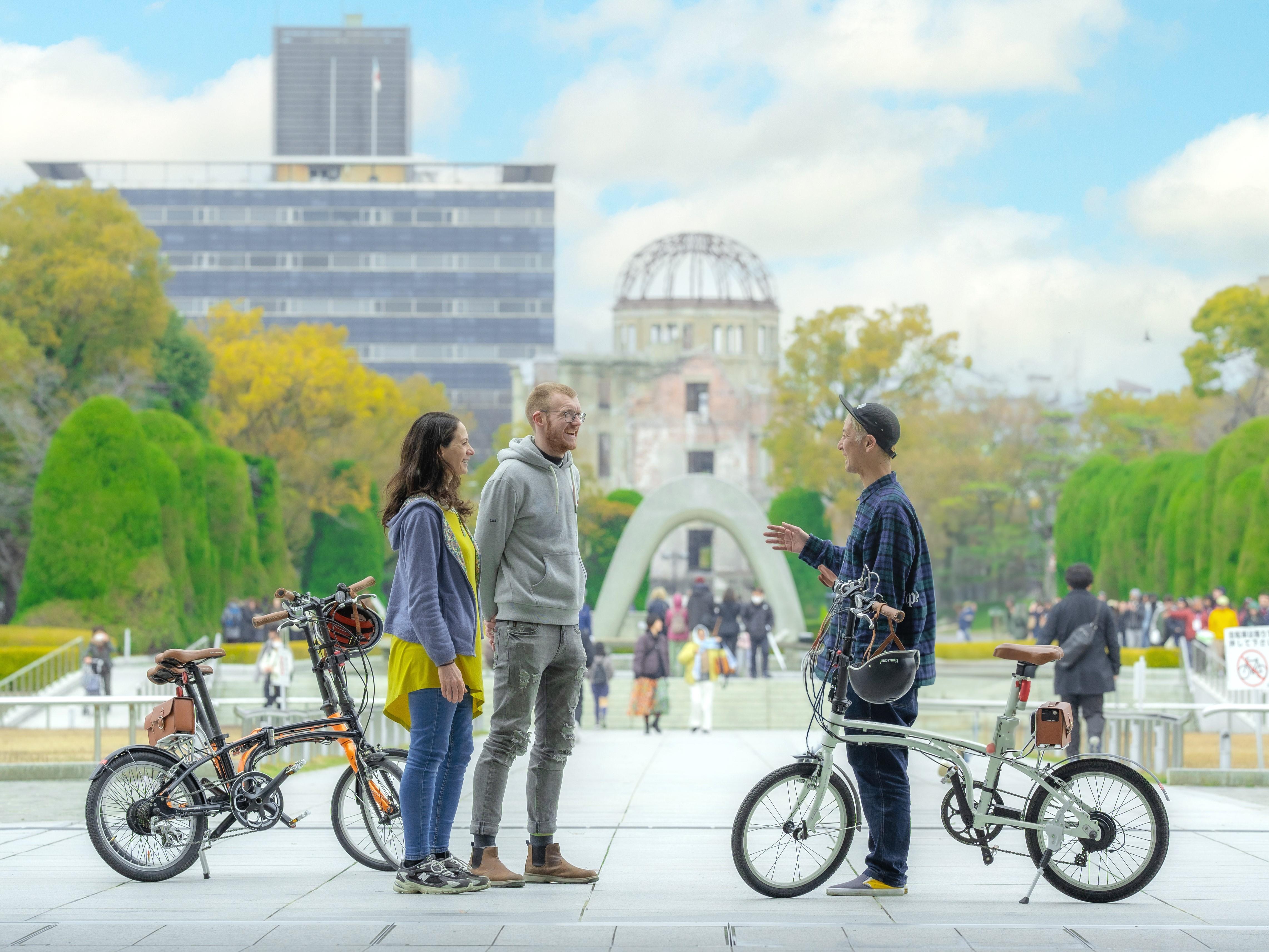
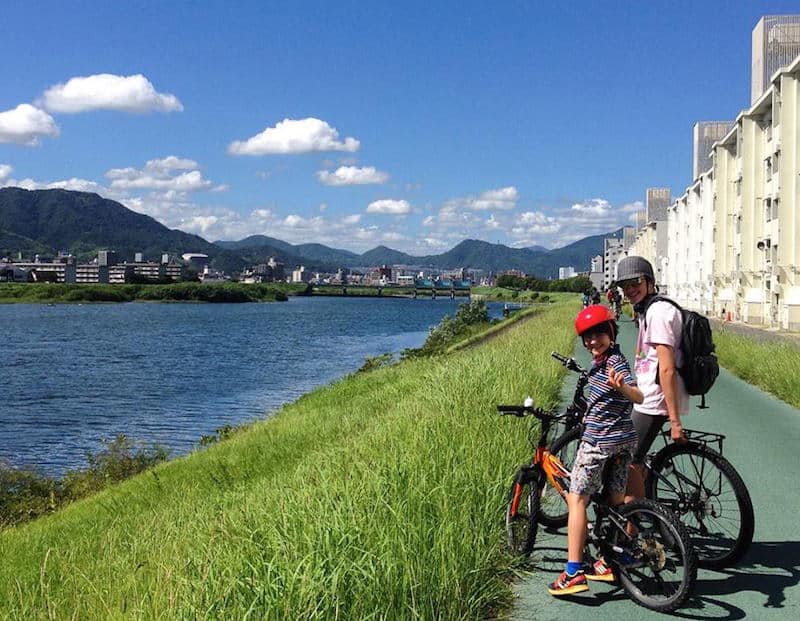
Explore Hiroshima's A-bomb heritage sites by electric bike with a local guide, away from the tourist crowds.
Reserve
Six rivers under your wheels, one city rebuilt from ash.
Hand-picked by our editors — only the best 6 cycling experiences from 74 reviewed.
Verified partners for Hiroshima Bike tours, free cancellation where available, and instant confirmation on every booking.
3 hr
Explore Hiroshima's A-bomb heritage sites by electric bike with a local guide, away from the tourist crowds.
Reserve
3 hr 30 min
Pedal a flat, easy route through Hiroshima's Peace Park, castle grounds, and a historic garden.
Reserve
8 hr
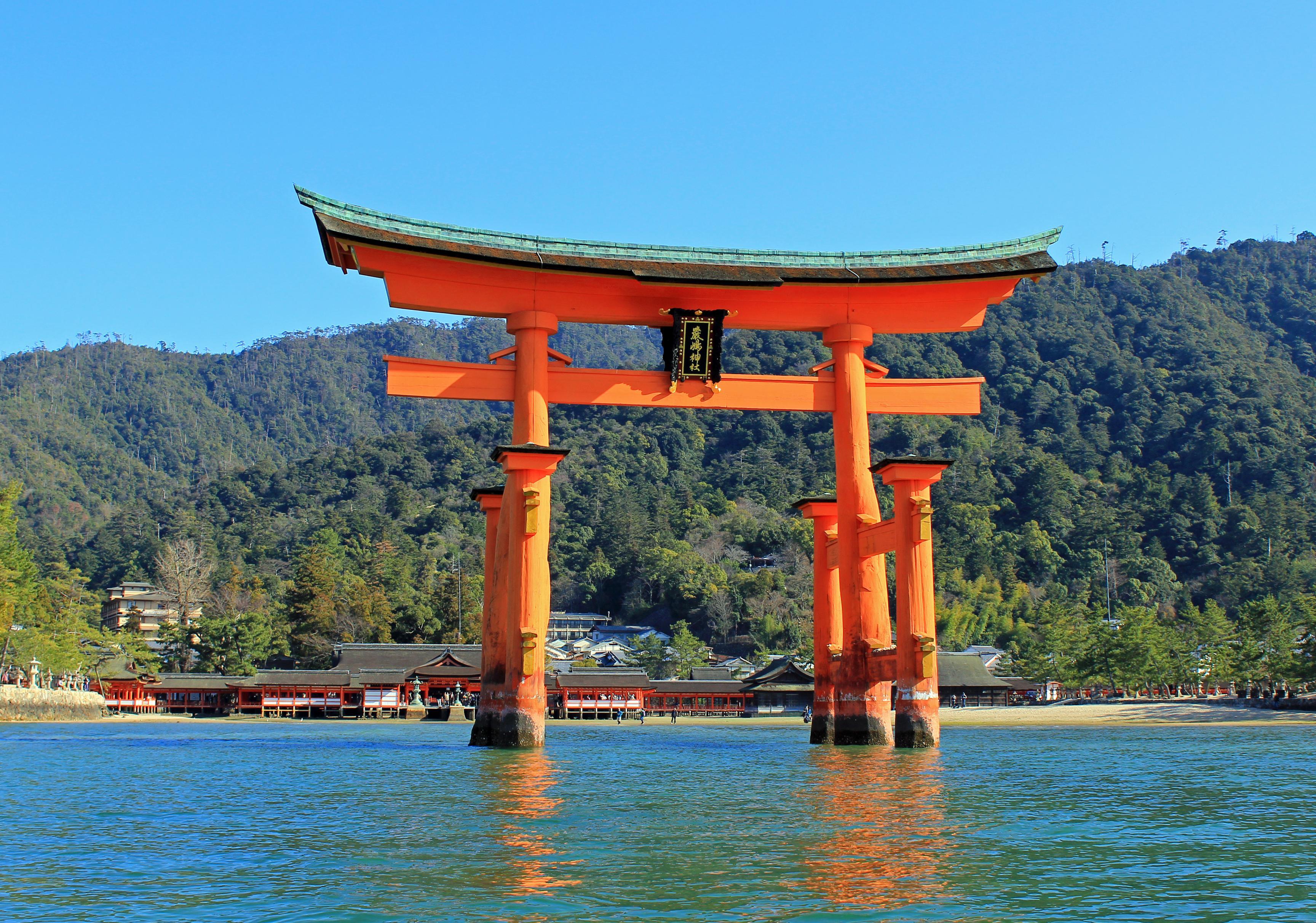
Full-day guided tour to Hiroshima's Peace Memorial and Miyajima's floating torii shrine.
ReservePrices from verified partners. Availability updates in real time at checkout. Free cancellation policies apply where shown.
The landmarks, rooms, and views travelers on Hiroshima Bike tours remember — all visible on a single visit.
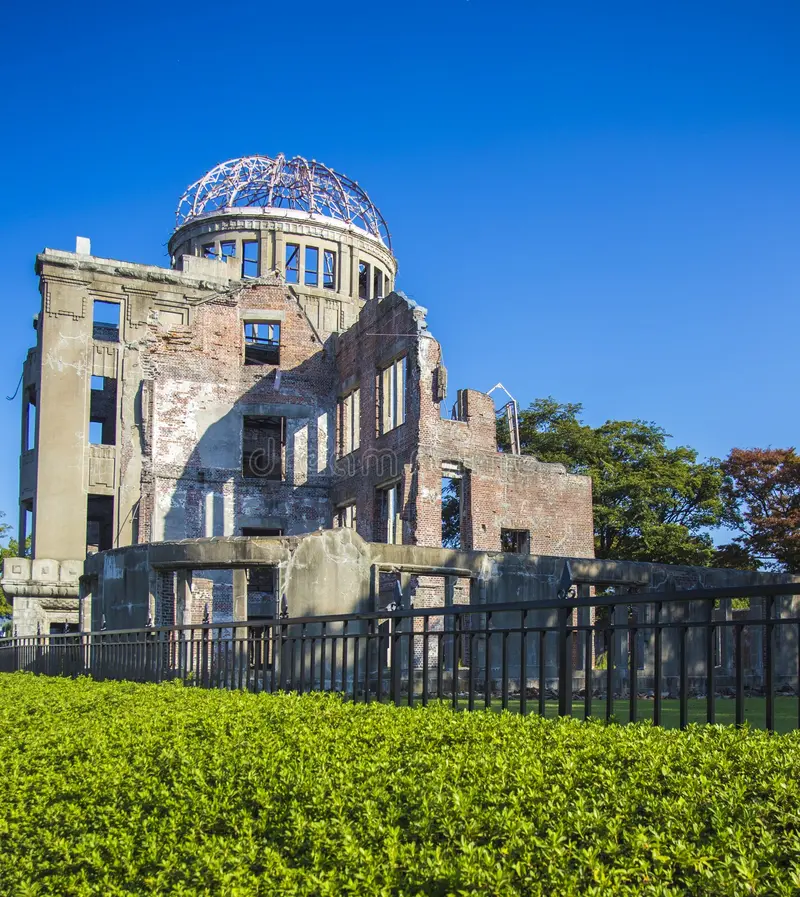
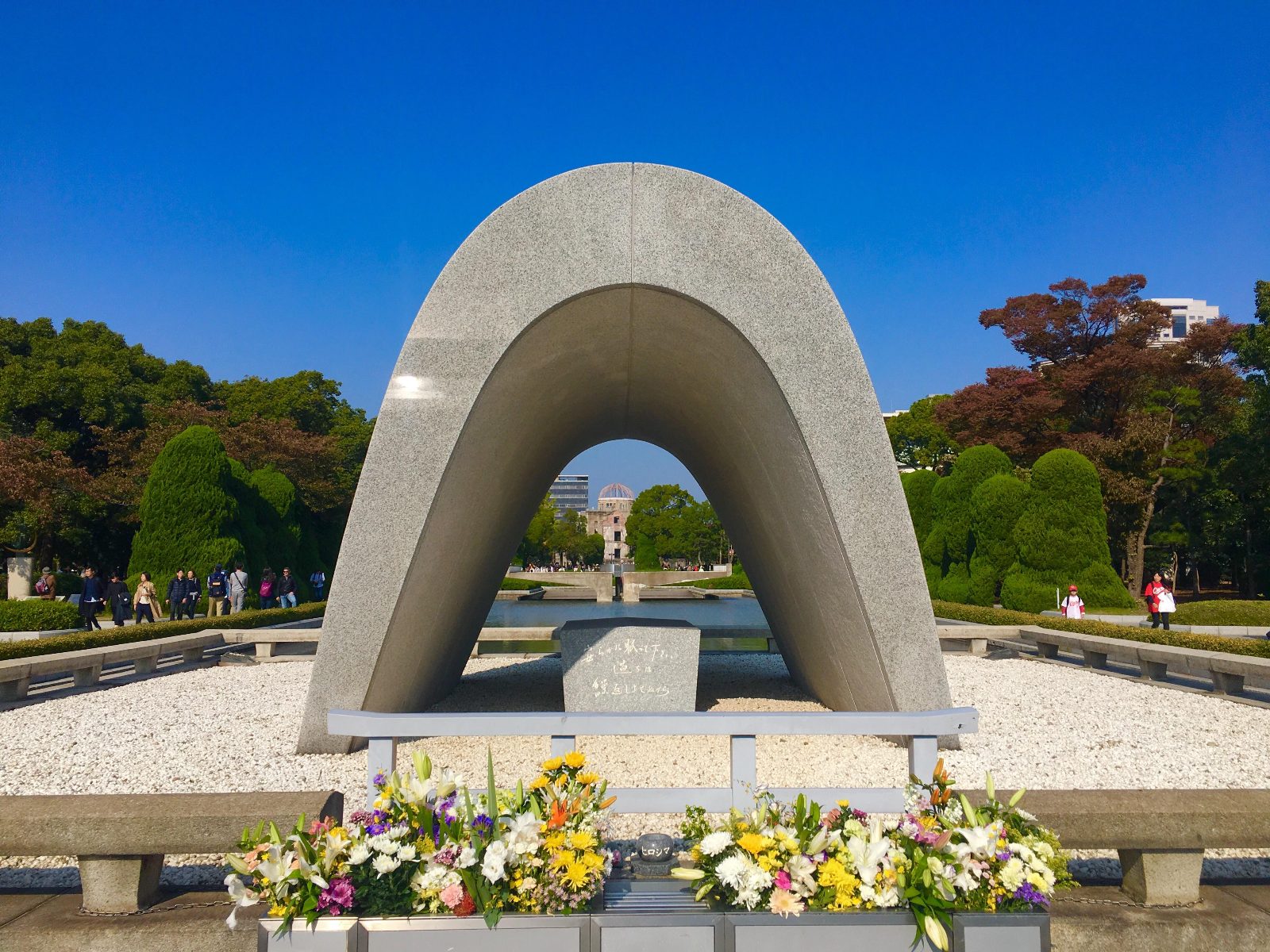
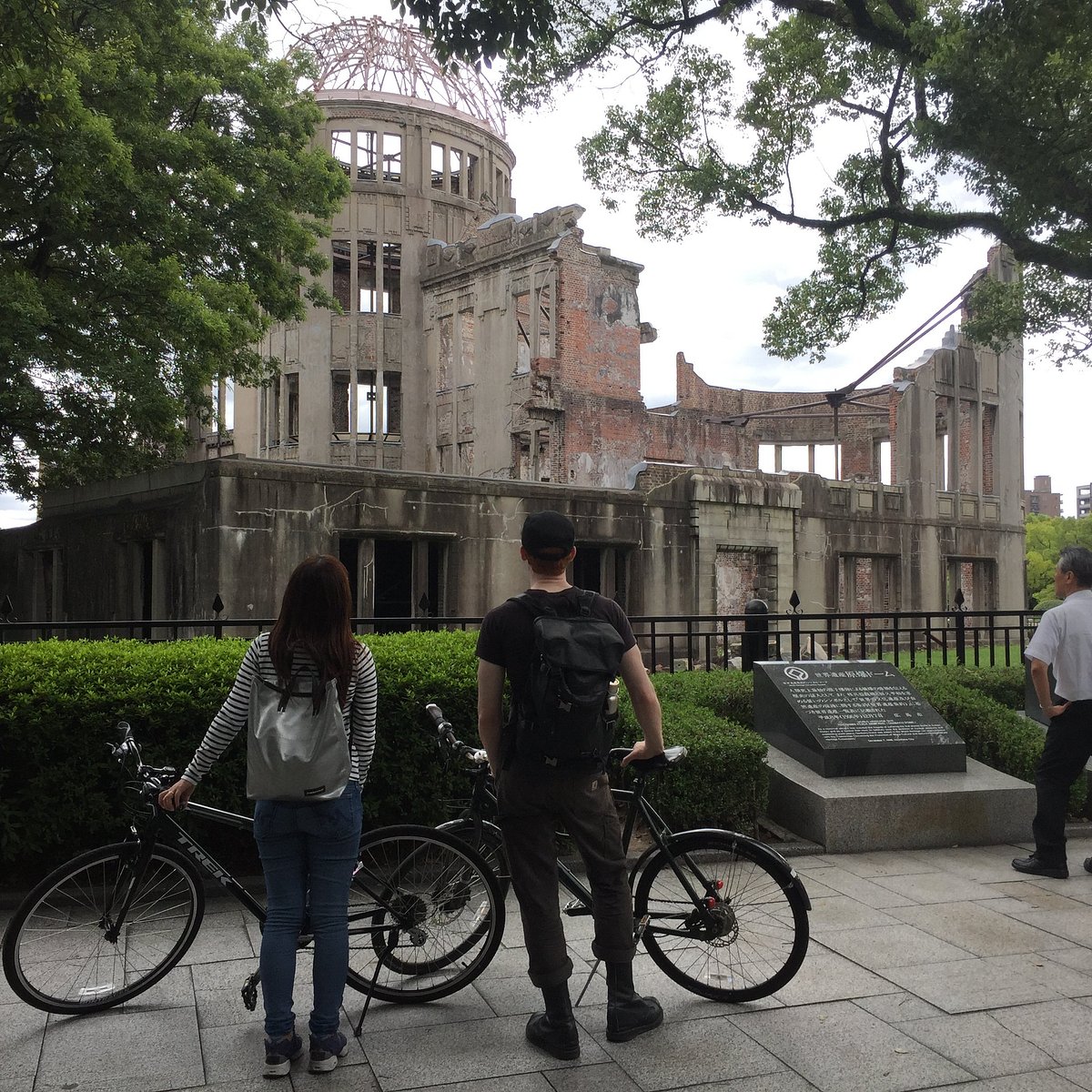
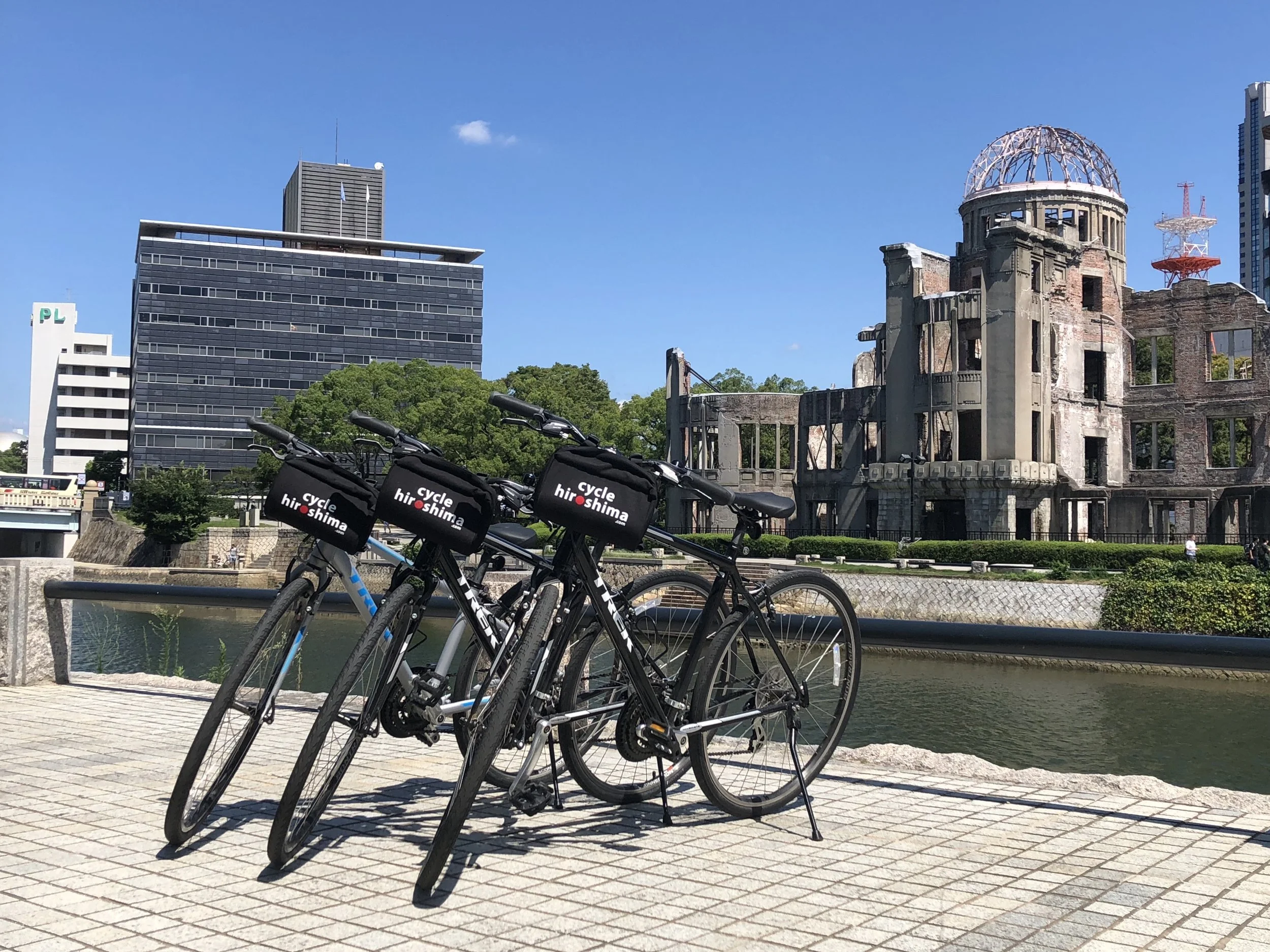
This UNESCO World Heritage site remains as a testament to the destruction of 1945.
This park covers over 120,000 square meters of greenery in the city center.
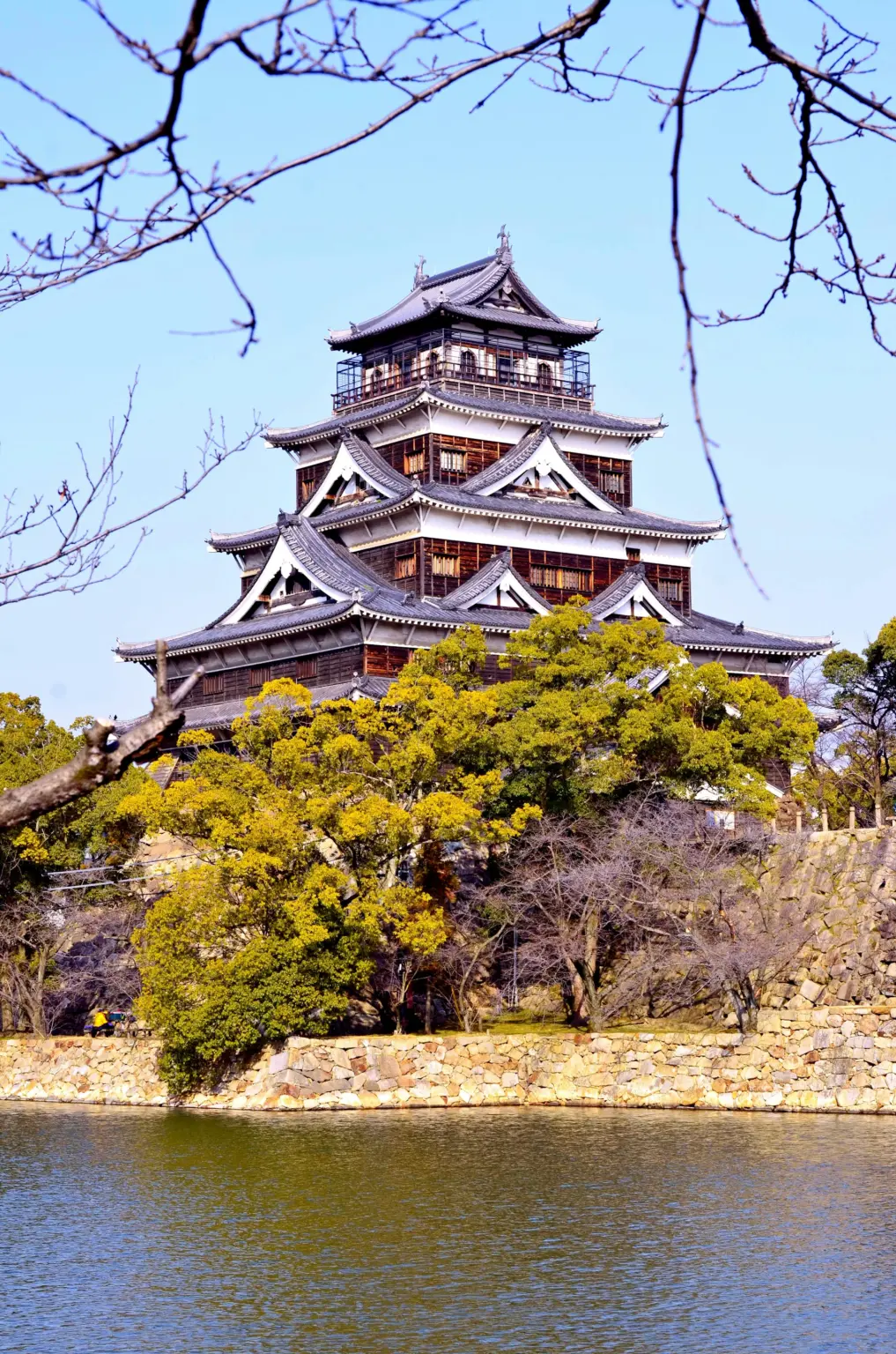
The original 16th-century structure was rebuilt in 1958 to house historical exhibits.
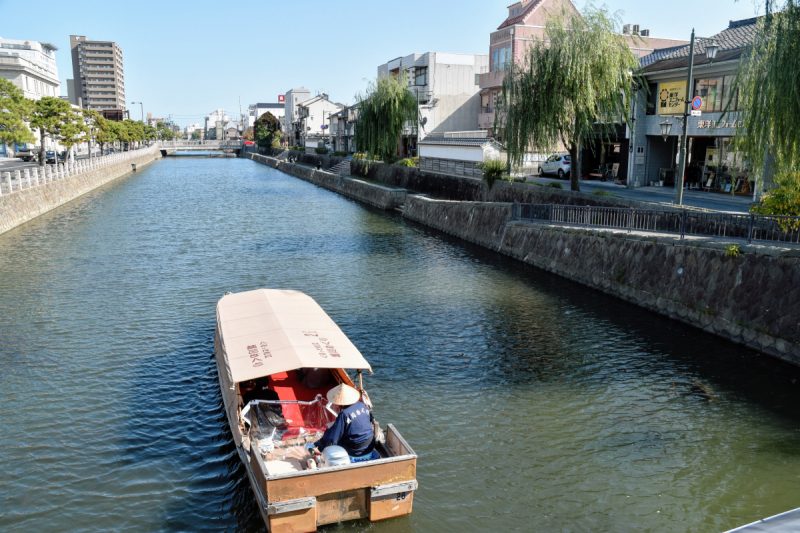
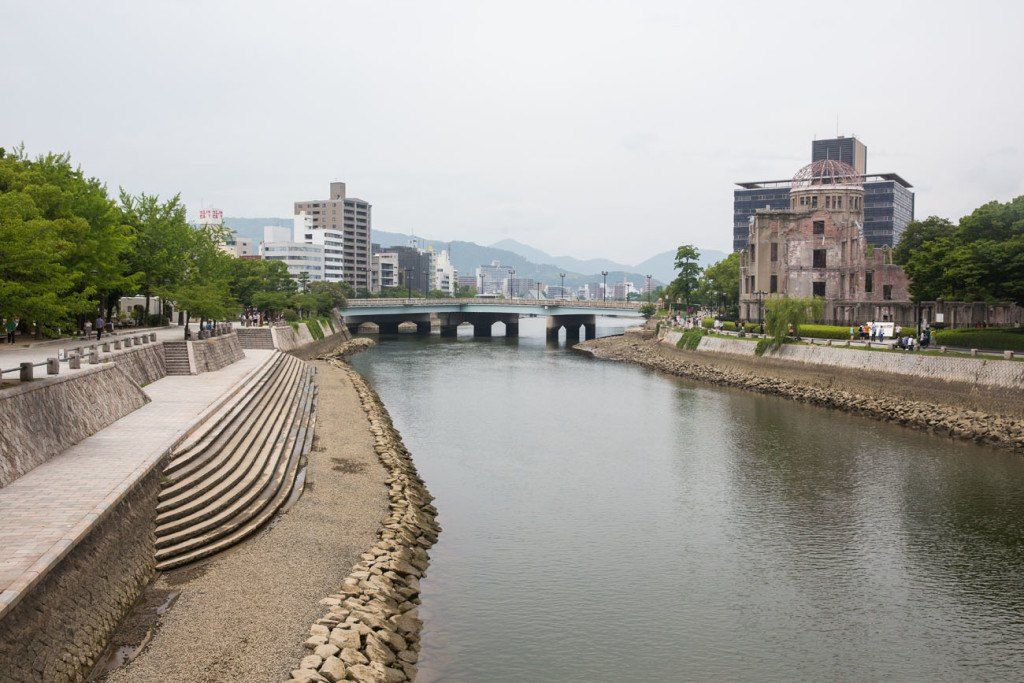
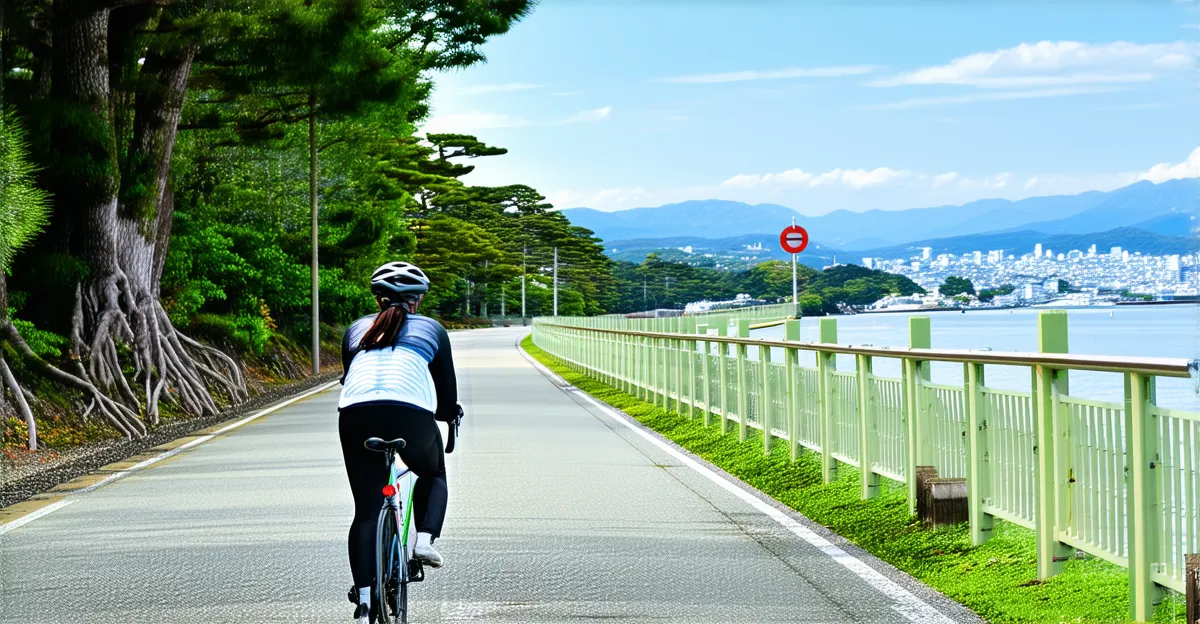
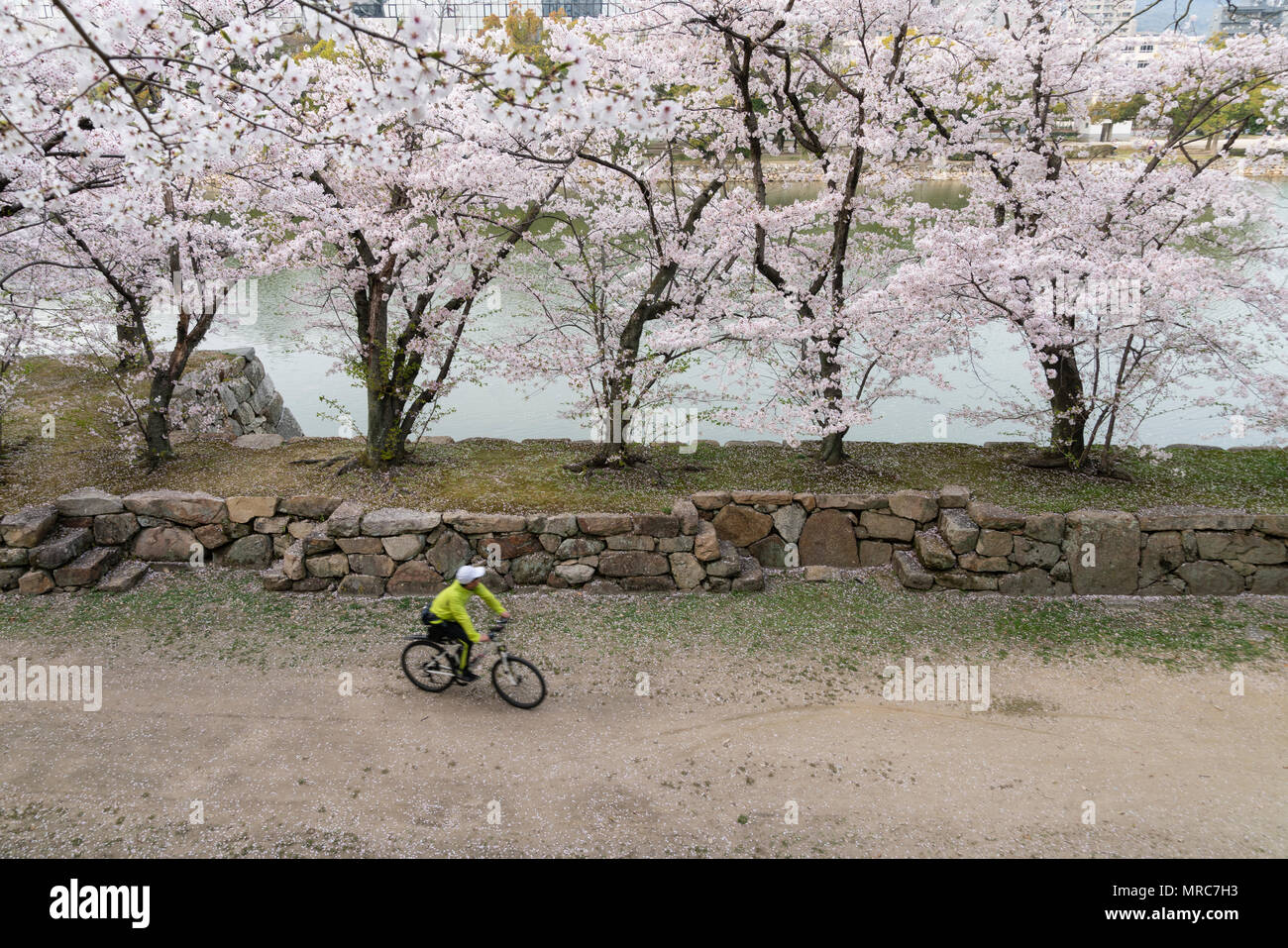
Cycling along the riverbanks provides a serene perspective of the urban landscape.
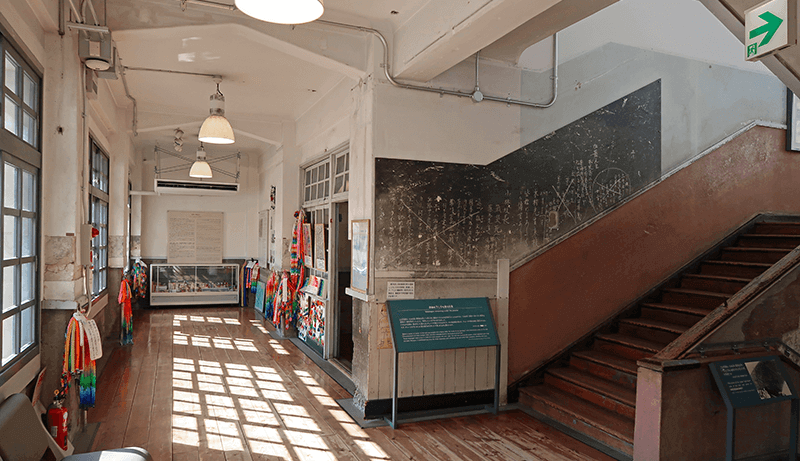
This site offers a sobering look at post-war restoration efforts in the local community.
Every Hiroshima Bike tour side-by-side — duration, what's included, how you redeem.
| Experience | From | Duration | Rating | Guide | Small group | Free cancel. | Price | |
|---|---|---|---|---|---|---|---|---|
|
Standard Entry Most popular
Hiroshima Peace Cycling Tour with Local Guide
|
— | 3 hr | ★ 4.9 | ✓ | ✓ | ✓ | €44 | Book → |
|
Standard Entry
Hiroshima Highlights Guided Bike Tour
|
— | 3 hr 30 min | ★ 4.9 | ✓ | ✓ | ✓ | €60 | Book → |
|
Guided Experience
Hiroshima & Miyajima UNESCO Day Trip from Hiroshima
|
Hiroshima | 8 hr | ★ 5.0 | ✓ | ✓ | ✓ | €104 | Book → |
All prices from verified partners. Availability and exact terms confirmed at checkout.
They complement each other; most visitors who do both call the cycling experience the more personal way to explore local landmarks, whereas the bus is the superior choice for climate-controlled convenience. Selecting the right hiroshima bike tour tours allows for a deeper connection with the streets, while the loop bus offers a relaxed pace.
| Feature | Top pick Hiroshima Bike Tour | Hiroshima Sightseeing Loop Bus |
|---|---|---|
Pace |
Active and flexible | Fixed schedule |
Personal interaction |
High with guide | Minimal onboard interaction |
Weather protection |
None/exposed | Air-conditioned vehicle |
Physical requirement |
Moderate cycling ability | None/seated |
Range of sights covered |
Compact local area | Broad city coverage |
Guide interaction |
Direct conversation | Pre-recorded audio commentary |
| See tickets → |
Verdict: Opt for the cycling excursion if you prefer an engaging outdoor activity, or choose the sightseeing bus when hiroshima bike tour tickets are sold out or you require a restful transit option.
Choose your ticket, select your date, and reserve in under two minutes. Secure checkout handled by our verified partner.
Instant confirmation by email, with a mobile voucher you can save offline. No printing, no queuing at a collection desk.
Arrive at the entrance, show your voucher on your phone, and walk in. Most tickets include priority or skip-the-line access.
Practical details for Hiroshima Bike tickets straight from our verified partners — hours, access, rules, and how to get there.
Hiroshima City, Japan
Verify location via official site
Open in Google MapsUse Hiroshima Electric Railway to reach city center
Follow designated cycle lanes in Hiroshima city
Wear comfortable athletic clothing suitable for cycling. Avoid loose garments that may catch in bicycle chains during your hiroshima bike tour.
Keep belongings minimal as storage on bicycles is limited. Secure all loose items before departing on your group cycle tour.
Photography is permitted during stops on the hiroshima bike tour. Ensure your device is secured while riding.
Tours require basic cycling proficiency. Contact the operator ahead of time if you have specific physical requirements for your Hiroshima city landmarks tour.
Use phones only when the bike is stopped. Do not operate devices while cycling in traffic.
Children must be accompanied by an adult. Check minimum height requirements for your hiroshima bike tour before booking.
Carry water to stay hydrated during your ride. Group tours may include designated breaks near local cafes.
Pets are not permitted on group tours. Please arrange pet care prior to your ride.
All participants must follow traffic laws. A guide will lead the cycling route throughout the hiroshima bike tour.
Best time to go, insider tips, nearby landmarks, and the cancellation fine print — flip through to skim what matters to you.
How crowds, weather, and events shift across the year.
Mild temperatures ideal for cycling
Warm weather requires frequent hydration
Comfortable climate for sightseeing
Cooler weather with fewer crowds
Small details that turn a good visit into a great one.
Reserve hiroshima bike tour tickets well in advance during peak season.
Carry enough water for your Hiroshima cycling sightseeing.
Follow the guide closely and obey local traffic signals.
Choose breathable fabrics for an active afternoon tour.
Verify forecast before departing for your cycling trip.
Engage your guide for local insight into Hiroshima landmarks.
Non-bookable sights within a short walk — free to visit, easy to pair.
Historical site commemorating the city history
Flexible, no hidden fees.
Cancellations made within the specified provider window may incur fees. Standard group bookings are subject to the 9,000 JPY entrance fee policy per person.
Hand-picked options within walking distance — pick a district for vibe, or a specific hotel for convenience.
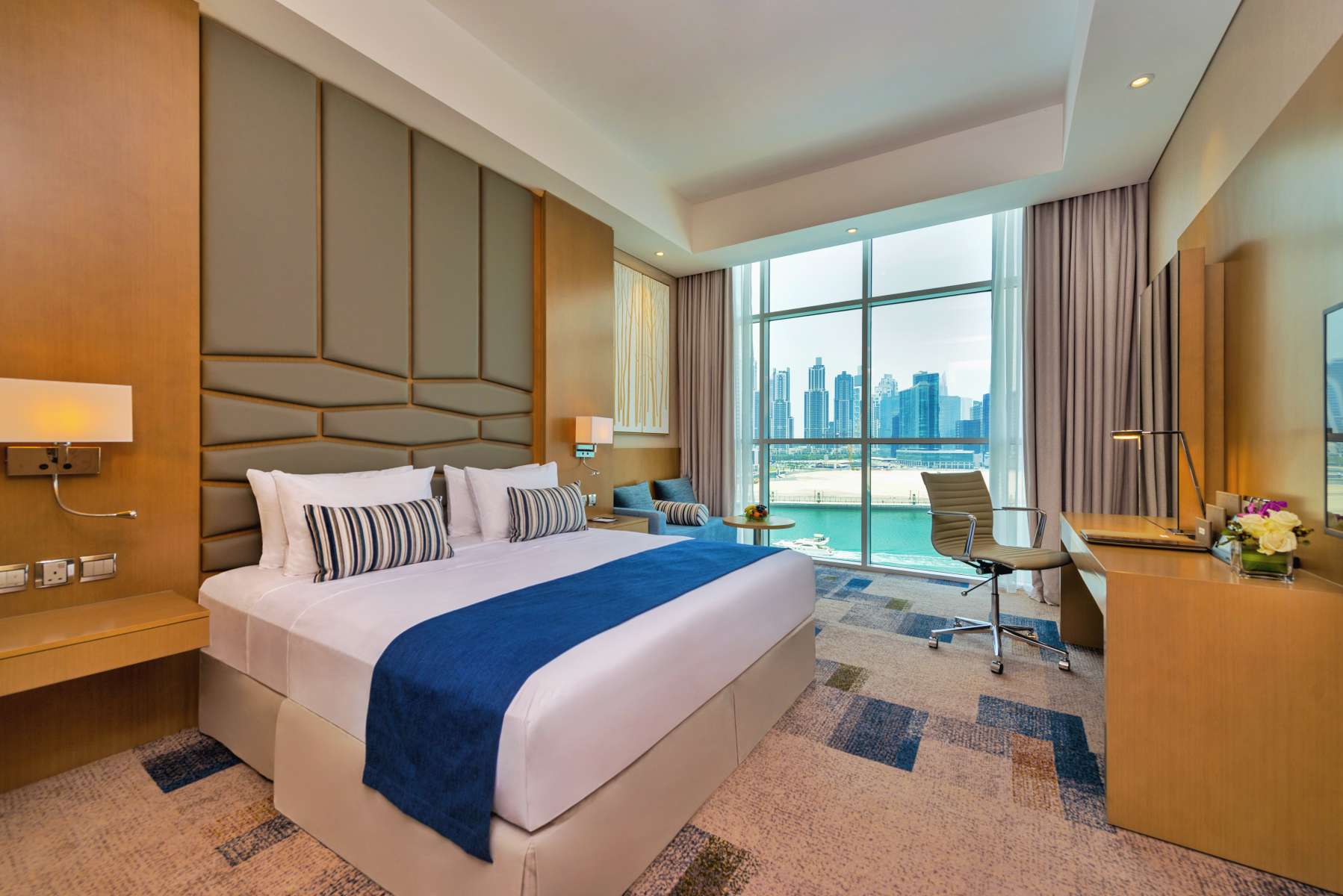
Convenient access for morning tours
Hiroshima was built on nothing solid. The city sits on a delta of silt carried down from the Chugoku Mountains by the Ota River, which splits into six branches before reaching the Seto Inland Sea. That geography made it flat. Flatness made it cyclable.
A hiroshima bike tour is, in a sense, a reading of alluvial deposit at the pace of a bicycle wheel.
The castle came first. Mori Terumoto chose the delta in 1589, naming his fortress Hiroshima — "broad island" — for the sandbars it stood upon. Water served as moat, highway and defence. By the Meiji era the same rivers carried timber, sake from Saijo, and oysters raised on rafts in the bay. Hiroshima became a garrison town, then an industrial port. The tram network opened in 1912 and has run, with one catastrophic interruption, ever since.
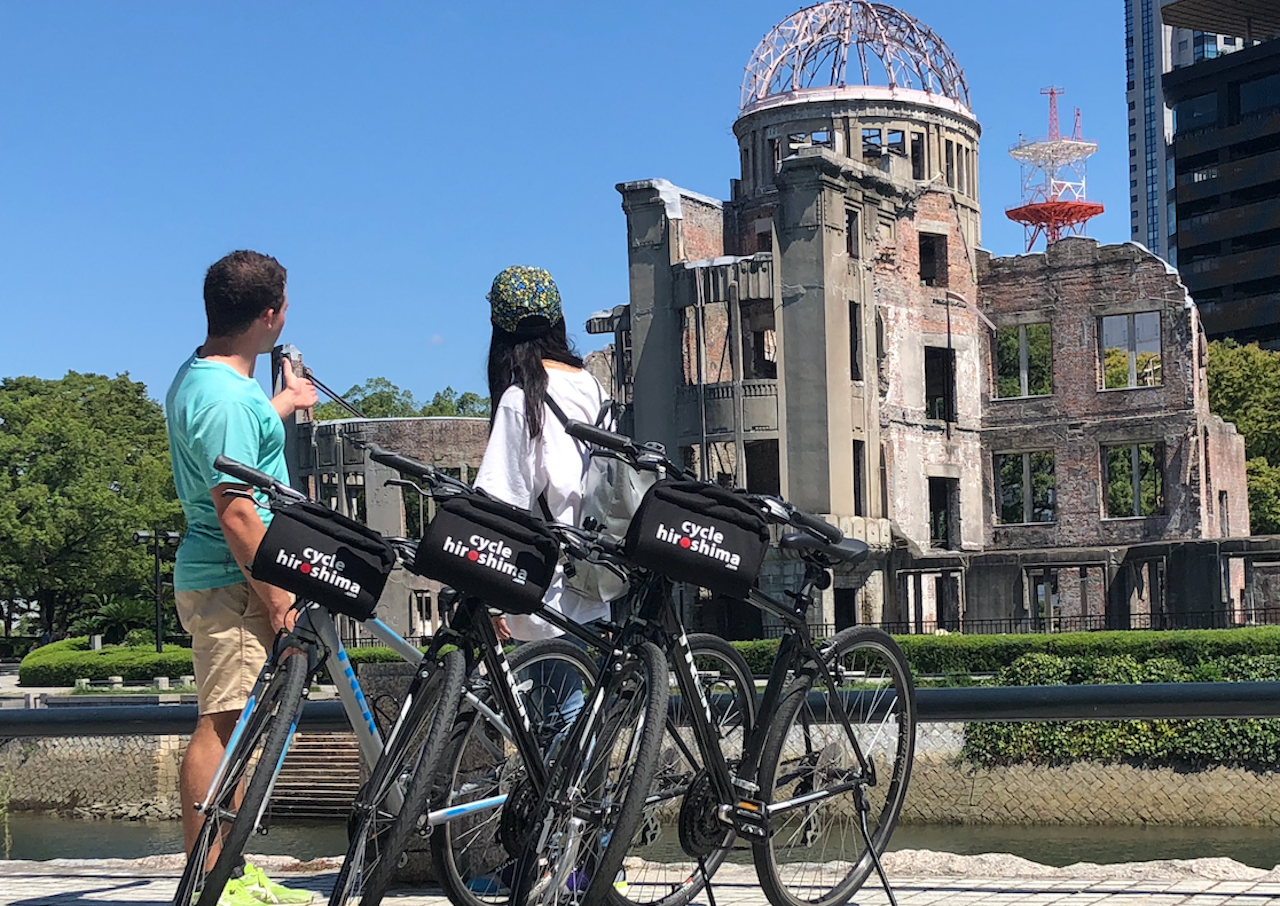
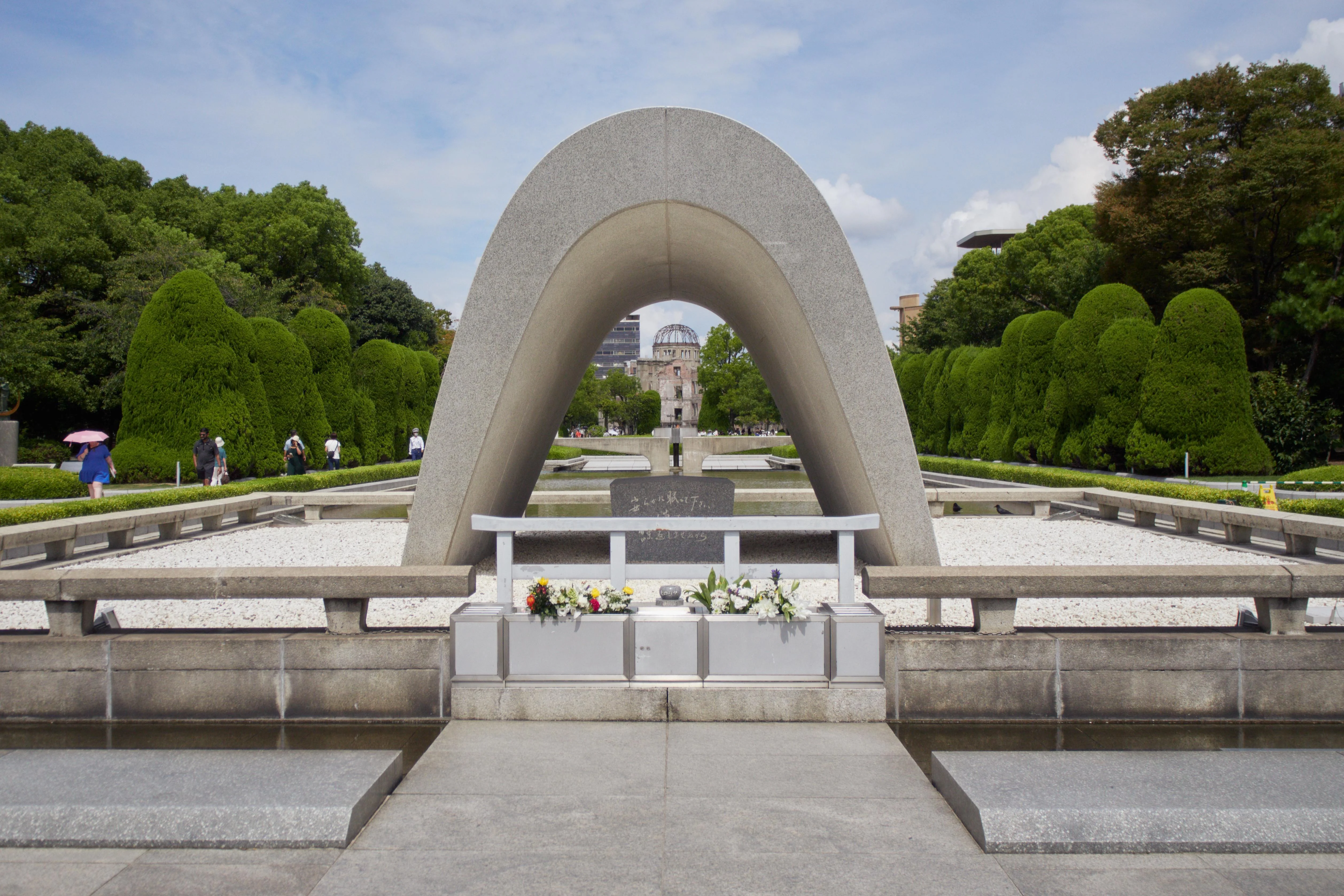
On 6 August 1945 the delta was flattened a second time. What survived is now the vocabulary of every hiroshima bicycle tour through the centre: the skeletal dome of the former Prefectural Industrial Promotion Hall, designed by Czech architect Jan Letzel in 1915 and inscribed as a UNESCO World Heritage Site in 1996; the Peace Memorial Park laid out by Kenzo Tange between 1949 and 1954, its axis running from the cenotaph through the dome; the Aioi Bridge, whose distinctive T-shape served as the aiming point. Guides on a hiroshima peace bike tour tend to slow here rather than narrate.
Beyond the park, the city rewards patience. The reconstructed keep of Hiroshima Castle holds a museum of samurai armour. Shukkeien, a garden laid out in 1620 by the tea master Ueda Soko, compresses a Chinese lake into a few hectares of pond and miniature mountain. Hijiyama Hill offers the only real gradient for miles, and with it a view across the whole basin. Riders on a hiroshima bike trip through the eastern wards pass Kanawa oyster boats, Okonomimura's stacked griddles, and streets where the fired roof tiles still show heat scarring.
The rivers themselves remain the organising principle. Ota, Motoyasu, Honkawa, Tenma, Kyobashi, Enko — each has an embankment path, and the cumulative effect of stitching them together is a portrait of how a city recovers by ordinary means: housing, tram lines, ginkgo trees that leafed again in 1946. Electric-assist machines have widened the range considerably, and a hiroshima e bike tour now reaches Ujina Port or the northern suburbs within the same two-hour window. Ferry connections open a hiroshima island bike tour toward Miyajima and the quieter lanes of Ninoshima.
What distinguishes hiroshima bike tour tours from walking the same ground is scale. On foot, the Peace Memorial Park is the destination. From a saddle, it is one chapter in a delta that keeps going — past shipyards, allotments, herons standing in tidal shallows. The bicycle restores proportion to a city too often reduced to a single date.

"The bicycle restores proportion to a city too often reduced to a single date."
A step-by-step walkthrough of Hiroshima Bike tickets — what you'll see, how long each stage takes, and the details that matter.
You arrive in Hiroshima City between 10:00 and 14:00, the window when scheduled group departures leave. Someone sizes a frame to your inseam, adjusts the saddle, hands you a helmet.
The standard hiroshima bike tour tour runs two hours; you pay 9,000 JPY per person and the operator keeps hours of 10:00–17:00, every day of the week.
The first kilometre is embankment path. You ride single file along the Motoyasu, the water brown and slow on your left, cyclists commuting past you in office clothes. You stop at the Atomic Bomb Dome and put a foot down. Nobody talks much. Then across the Aioi Bridge, through the Peace Memorial Park, past the cenotaph where the arch frames the dome exactly — a sightline you only notice from the correct angle.
You pedal north next, into the castle moat's ring of black pines, then east toward Shukkeien, where you lock up and walk a loop of the garden pond in ten minutes. Back on the bike, you cross the Kyobashi. The route flattens out again; a hiroshima bike ride never demands much of your legs, only your attention.
The last stretch threads the Hondori arcade's edge and returns you to the start point. You hand back the helmet. Your shirt is damp — this is August, and the delta holds humidity like a held breath. Buy a bottle of cold mugicha from the vending machine outside, drink it standing, and watch the trams grind past on rails laid over ground that was once, briefly, nothing at all.
The operator is open daily from 10:00–17:00 for your hiroshima bike tour experience.
Yes, the standard price is 9,000 JPY per person for the 2-hour group cycling tour.
The best arrival window is 10:00–14:00 to ensure you are ready for your scheduled group tour.
Yes, you can secure hiroshima bike tour tickets via the official site at https://sokoiko.com/en/.
While children are welcome, they must be able to ride a bicycle independently for the hiroshima bike tour.
Photography is encouraged during stops on your hiroshima bike tour as long as you do not impede traffic.
Check the official site or contact +81-80-2137-6549 for details on cancellation policies due to weather.
Luggage storage is limited; it is recommended to leave heavy bags at your accommodation before your hiroshima bike tour.
Yes, you can easily visit the Atomic Bomb Dome or Peace Memorial Park after finishing your hiroshima bike tour.